
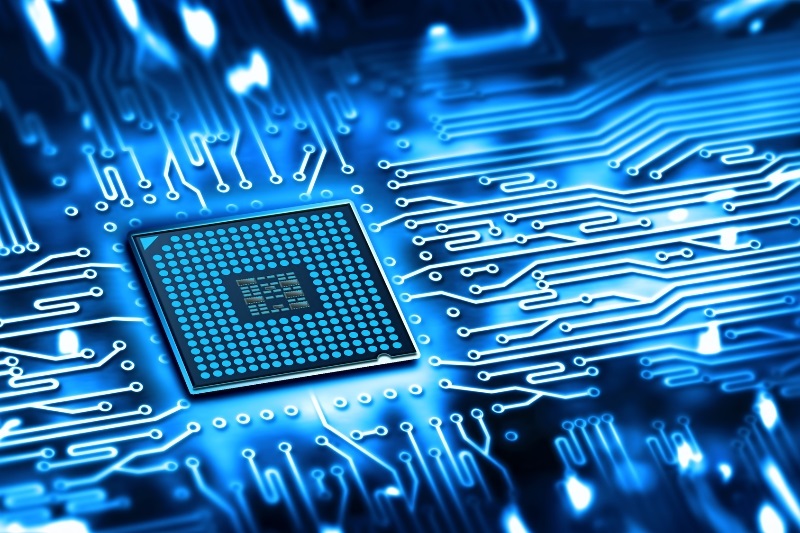
Machine vision in electronics and electrical engineering
Electronic components keep getting smaller while the demands on quality and process reliability keep rising.
Machine vision allows the smallest components and structures to be inspected without contact - often while production is running.
Typical applications range from printed circuit boards and connectors to displays, cables and electronic assemblies.
Automated optical inspection - AOI
AOI systems inspect electronic assemblies automatically from high-resolution camera images.
Typical checks are:
- missing components
- wrong components
- rotated components
- polarity errors
- soldering defects
- bridges
- positioning errors
- placement errors
PCB and PCBA inspection
Circuit boards can be inspected at several production stages:
- bare boards
- solder paste
- SMT placement
- through-hole components
- final assembly
High-resolution cameras and matched lighting are decisive here, because components and solder joints are often highly reflective.
Connector and pin inspection
Machine vision can verify:
- number of pins
- pin position
- bent contacts
- connector alignment
- completeness
- mechanical damage
Cables and wiring
Camera systems can, for example:
- distinguish cable colors
- detect individual wires
- inspect connectors
- read markings
- verify correct wiring
Displays and panels
In display applications, the following can be detected:
- pixel defects
- surface defects
- alignment
- damage
- geometric deviations
Identifying electronic components
DataMatrix, barcode or plain-text markings provide traceability right down to the individual component.
Typical components
- high-resolution industrial cameras
- macro lenses
- telecentric lenses
- coaxial lighting
- dome lighting
- ring lights
- polarizing filters
- code readers
- CoaXPress cameras
- frame grabbers
Planning an optical inspection of electronic parts?
We will help you select camera, lens, lighting and accessories to match your resolution, field of view and inspection feature.